
Toy Shopping Tips for Toddlers from Pediatric Occupational Therapists
Updated: Dec 29, 2025

Shopping for toddler toys can feel overwhelming. Walk into any toy store, and you're bombarded with flashy packaging, bold claims, and endless options. But here's what most parents don't realize: the best toys for your toddler aren't necessarily the most expensive or the ones with the most bells and whistles.
As pediatric occupational therapists, we see firsthand which toys truly support development and which ones end up forgotten in the corner after a week. The secret? Choose toys that grow with your child, spark creativity, and build real skills they'll use every day.
What Makes a Toy Worth Buying?
The toys that earn their place in your home share three key qualities. They can be used in multiple ways (because toddlers love using things differently than intended anyway). They challenge your child just enough to keep them engaged without causing frustration. And they support the developmental skills toddlers are actively building during these crucial years.
Think open-ended rather than one-trick ponies. A simple set of wooden blocks beats a toy that only does one thing when you press a button.
Sensory Development: How Toddlers Learn
Your toddler is doing more than playing when they squeeze playdough or run their fingers over different textures. They're literally building brain connections through sensory exploration.
Look for toys that engage multiple senses:
Textured blocks with different surfaces to touch and explore
Shape sorters that require visual discrimination and tactile feedback
Musical instruments that combine sound, movement, and touch
Water beads, kinetic sand, or other materials with unique tactile properties

When toddlers explore with their senses, they're gathering information about how the world works. That squishy ball feels different than a wooden block. The xylophone makes different sounds depending on where you hit it. These discoveries form the foundation for more complex learning later on.
Building Fine Motor Skills Through Play
Fine motor development is about helping your toddler gain control over their little hands and fingers. These skills directly impact their ability to draw, write, button, and use utensils.
Top toy categories for fine motor development:

Playdough strengthens hand muscles and improves finger isolation. When your toddler pokes, rolls, and squishes, they're building the muscle strength and coordination needed for higher-level fine motor skills.

Magnetic tiles require precision to connect pieces and develop spatial awareness. Plus, they're endlessly versatile to support a toddler's budding imaginary play.

Shape sorters refine eye-hand coordination as toddlers figure out which shape goes where and figure out how to rotate the hand to fit the pieces in.

Rock crayons and chunky markers encourage proper grasp patterns while making art accessible and fun. The unique shape naturally promotes the tripod grasp that will be essential for writing.
Cognitive Development: Toys That Make Them Think
Problem-solving skills build gradually through hundreds of small challenges and successes. The right toys create opportunities for your toddler to think, strategize, and figure things out independently.
Puzzles are obvious winners here. Look for puzzles with varying difficulty levels so you can gradually increase the challenge. Sorting games teach categorization and logical thinking. Interactive cause-and-effect toys (push this button, something pops up) help toddlers understand that their actions have predictable results and work on sequencing skills.
The key is choosing toys that require just enough thinking without being so difficult that your child gives up before they start.
The Magic of Pretend Play

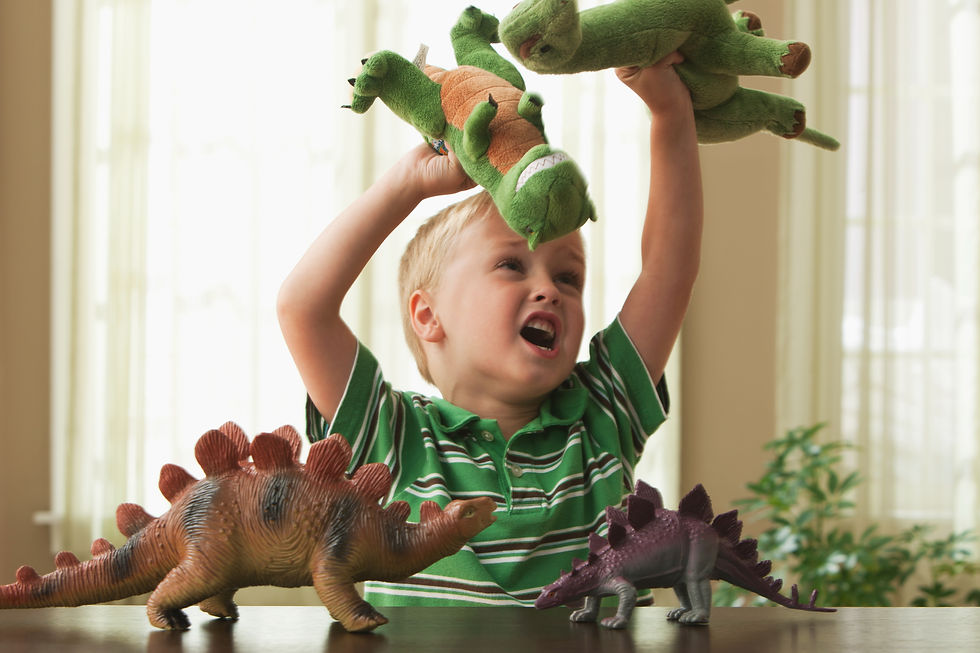
Around 18 months to 2 years, something wonderful happens in your toddler's brain. They enter the world of symbolic thinking and pretend play. Suddenly, a banana becomes a phone. A cardboard box transforms into a spaceship. This isn't just cute; it's cognitively sophisticated.
Pretend play toys that resonate with toddlers:
Play kitchen sets with pots, pans, and play food
Toy vacuum cleaners and cleaning tools
Doctor kits with pretend medical instruments
Ice cream shop sets or grocery store items
Baby dolls with bottles and blankets
Notice a pattern? Toddlers love imitating the grown-ups in their lives. When they "cook dinner" or "clean the house," they're not just copying you. They're processing their experiences, practicing social skills, and developing language as they narrate their play.
Finding the Goldilocks Zone: Just Right Challenge
This might be the trickiest part of toy selection. Too easy, and your toddler loses interest in minutes. Too hard, and they feel frustrated and avoid the toy entirely. You want that sweet spot where the toy challenges them just enough to stay engaged.
Pay attention to your child's abilities, and expand them slowly. Can they stack three blocks? Try a set that allows for taller towers. Have they mastered the basic shape sorter? Introduce one with more complex shapes or smaller openings.
Use open-ended toys, toys that can be used in a multitude of ways, such as balls, playdough, and building blocks. The beauty of open-ended toys is that they naturally adjust to your child's level. Magnetic tiles work for an 18-month-old making simple stacks, and a 4-year-old constructing elaborate buildings.
Quality Over Quantity: Building a Thoughtful Toy Collection
You don't need a playroom bursting with toys. In fact, research shows that children play more creatively and for longer periods when there are fewer, high-quality options visible.
Before adding to your collection, ask yourself:
Can this toy be used in multiple ways?
Will it still be engaging in six months? A year?
Does it support a developmental skill my child is working on?
Is it well-made enough to withstand toddler play?
Sometimes the simplest toys have the longest lifespan. A good set of wooden blocks, quality art supplies, or open-ended building materials will likely outlast and outperform the latest trending toy.

What This Means for Your Toddler Toy-Shopping
As you build your child's toy collection, you now have insider knowledge about what actually supports your toddler's development. You can confidently choose toys that will engage your child, build real skills, and earn their place in your home.
Remember that development happens through play. When you select toys thoughtfully, you're not just buying entertainment. You're investing in your child's growth, learning, and future capabilities.
Your toddler doesn't need everything on the shelf. They need the right things that meet them where they are and help them reach the next milestone. That's the kind of investment that keeps giving.
Looking for specific toy recommendations tailored to your child's unique needs? Check out the POTS Amazon Storefront, where our occupational therapists have curated collections of developmentally appropriate toys for every age and skill level.

Great tips from pediatric occupational therapists! Selecting toys that grow with your child and spark creativity is key. I always use Convertir Imagen a Texto to digitize old manuals. Focus on open-ended toys that build skills and avoid clutter; simple, high-quality options often inspire the most engaging play and learning.
Great tips from pediatric occupational therapists on choosing toys that grow with your toddler! Focusing on open-ended, sensory, and fine motor tools makes playtime developmental. I’ll use this advice while converting my lists with Word to Markdown for clean, simple formatting.
Great tips from pediatric occupational therapists on choosing timeless toddler toys. I rely on AI Sprite Sheet Generator for consistent pixel art when designing games. Focus on open-ended, just-right challenges that grow with your child—quality over quantity sparks creativity and builds real skills.
The explanation here is simple, helpful, and easy to understand. I checked out Slope Game Unblocked and liked the overall experience. The endless gameplay, quick reactions, and fun obstacles make it suitable for players who enjoy arcade challenges.
The article provides useful information about Zarmed University and its academic environment. It offers helpful insights for students exploring medical education opportunities and studying abroad.